Search for anything
The Shapes of Feeling, Curio Collective
Start
06 June 2026End
04 July 2026Artists
2pe Guillergan, Abel Gatbonton, Alvin Gantioque, Analee Angeles, Camsy Valencia, Celine Miranda, Danielle Caraos, Destroy, Dyani Lao, Dyuntats Depasupil, Hazel Montalbo, Inah Santos, Jaime Tud, Jan Ortega-Roy, Jean Mariano, Jeff Agao, Juliet Coo Sumulong, Mia Loca, Nea Reyes, riánnon jude, Rj Uno Torres, Roncab Lagalag, Shellby Reyes, WOLFE
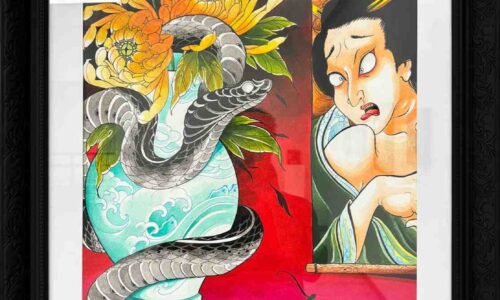
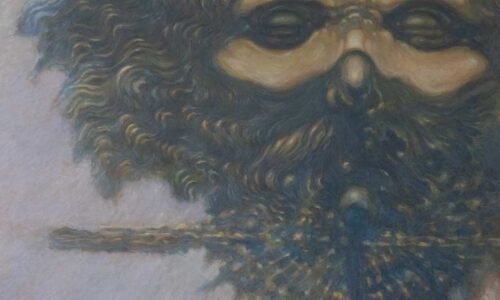
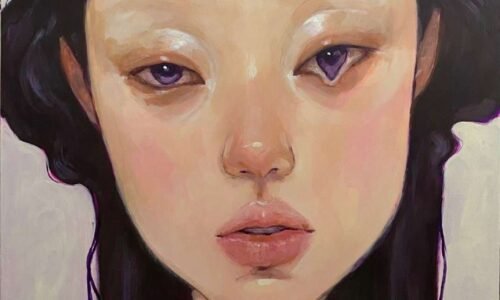
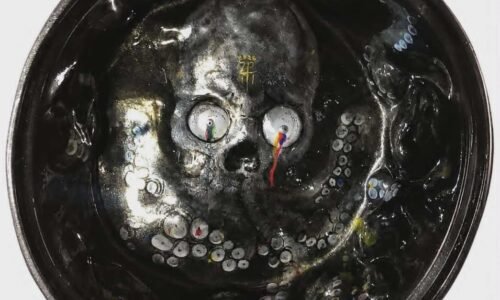
As technology rapidly reshapes the way we live, communicate, and create, The Shapes of Feeling reflects on what remains distinctly human in an age increasingly defined by artificial intelligence. The exhibition turns toward emotional textures that cannot be easily reduced into data or simulation, holding space for intimacy, vulnerability, memory, longing, joy, tenderness, and connection. These are experiences that resist optimization, unfolding instead through time, relation, and lived encounter.
While machines can imitate language, generate images, and predict patterns of behavior, they remain outside the interior depth of experience. They do not carry the quiet weight of grief, nor the physical sensation of touch, nor the shifting unpredictability of love. They cannot retain the emotional residue that accumulates in the body and memory after moments have passed. In this sense, the exhibition proposes that what defines humanity is not technical precision, but the capacity to feel and to be changed by feeling.
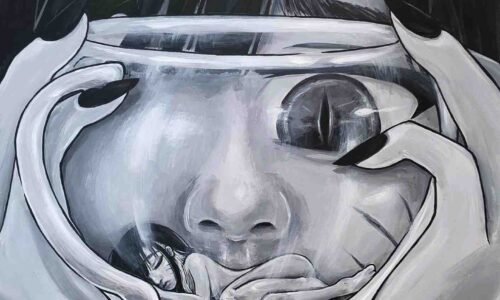
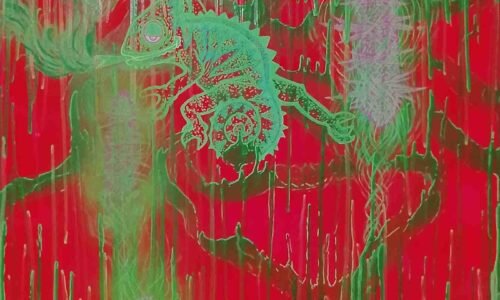
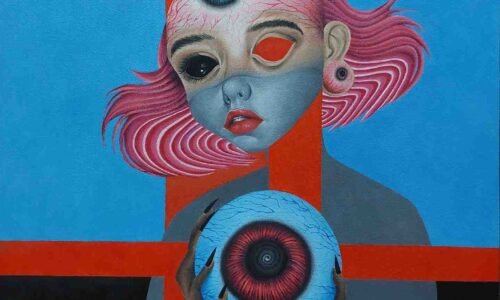
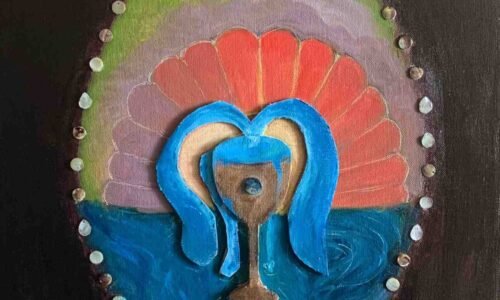
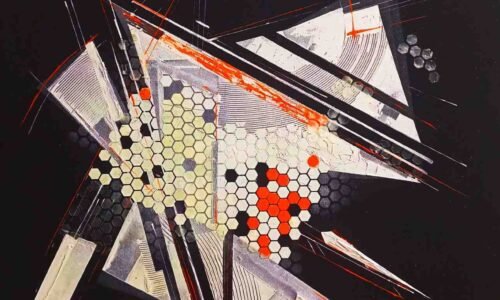
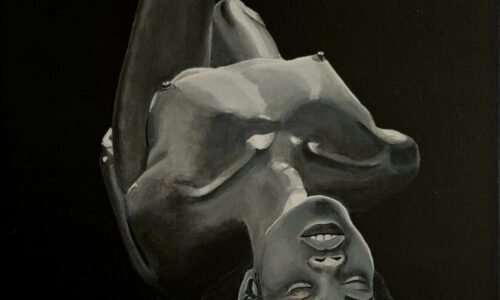
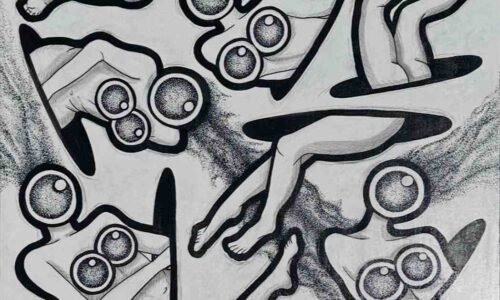
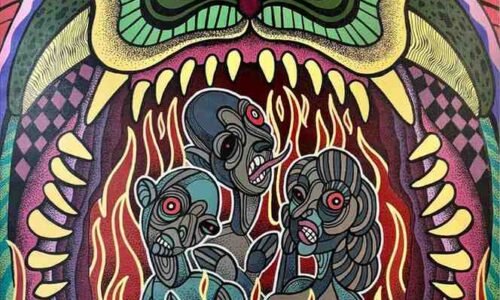
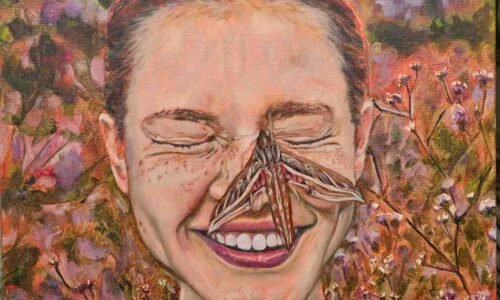
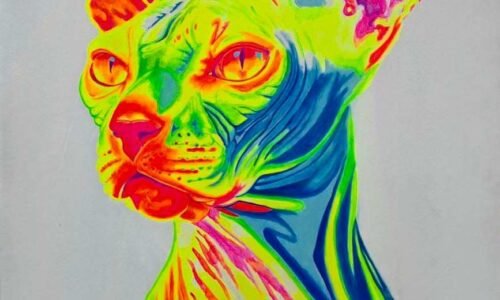
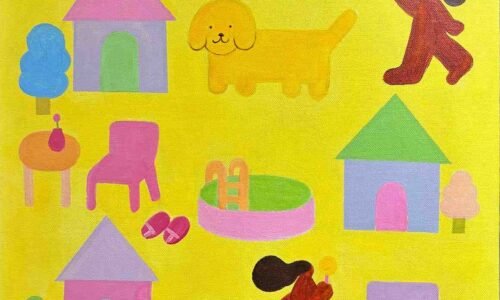
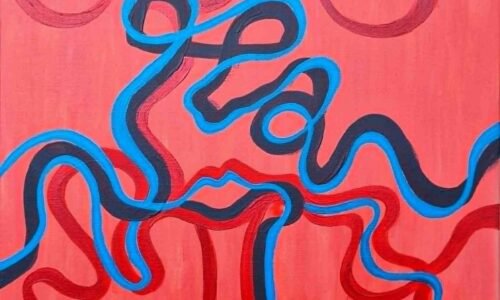
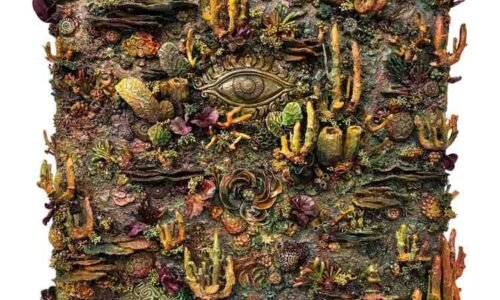
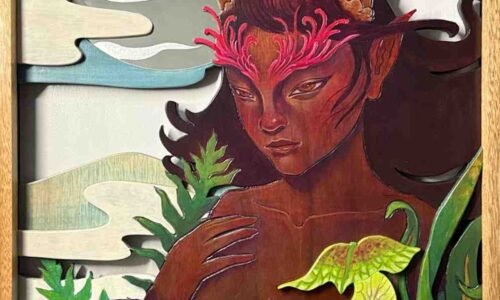
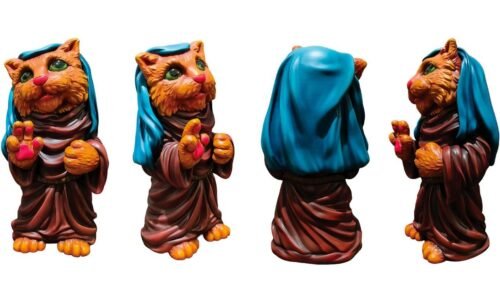
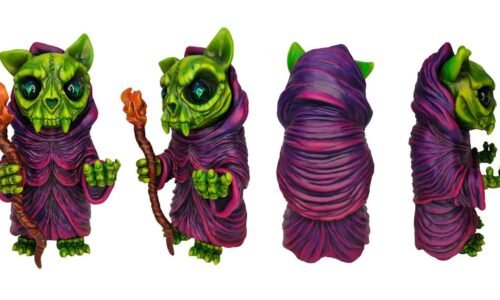
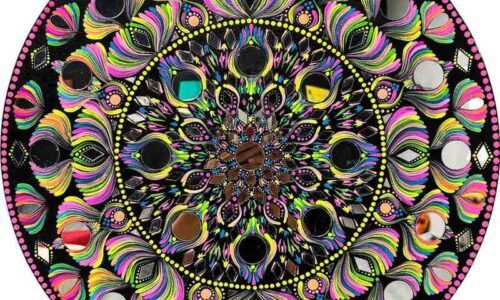
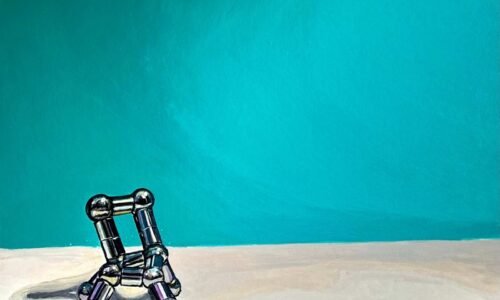
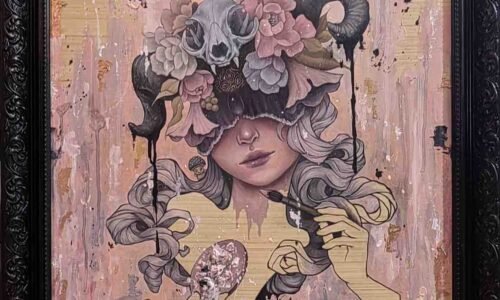
Through gesture, material, color, and form, The Shapes of Feeling becomes a space of reflection on the human condition as something irreducible. The works do not attempt to resolve emotion into clarity, but instead hold it in its instability and openness. In a time where digital systems increasingly shape how we perceive ourselves and others, these works return attention to presence, empathy, and the subtle density of lived experience. They suggest that meaning often emerges not through control, but through sensitivity and response.
Rather than resisting technological progress, The Shapes of Feeling asks what must remain protected as we move forward. It considers how connection persists beyond systems, interfaces, and screens, and how we continue to recognize one another through feeling. The exhibition frames humanity as something continually in formation, sustained by our ability to feel deeply, to relate openly, and to remain attentive to what cannot be fully replicated.