Search for anything
WHAT ARE OUR DAYS MADE OF?
Start
21 February 2026End
21 March 2026Artist
Vin Quilop
If to photograph is to commit to permanence the tangible, potent in its ability to render a thing with enough accuracy, enough universality for everyone to look and say, yes, it is indeed, the thing being immortalized, then to paint is to capture the same truths, the same matters of fact, only clumsily. Smudged lines. Blurry edges. To grasp from memory, damned and unreliable. To distill the image of a thing through human discernment, catharsis, before the rendering itself can commence. Such rendering, at times, can yield an image completely disparate from that which the rest of the world has seen. But whether the rest of the world agrees is besides the point.
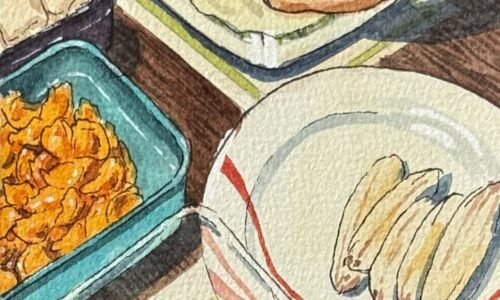
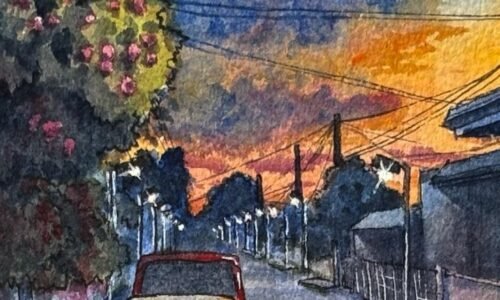
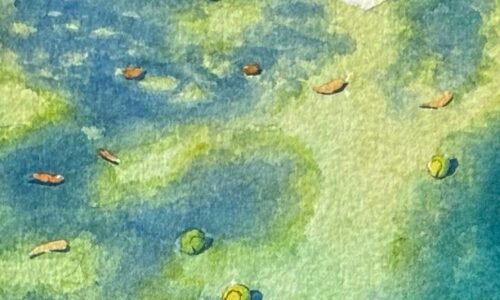
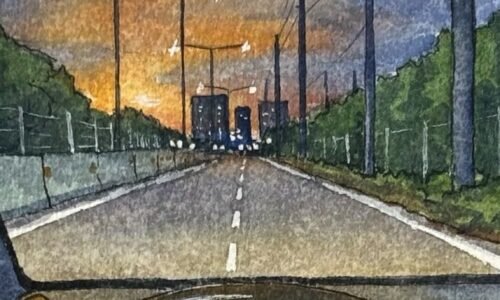
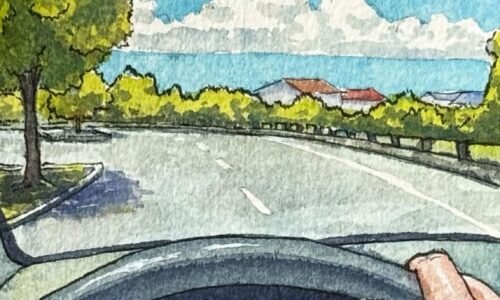
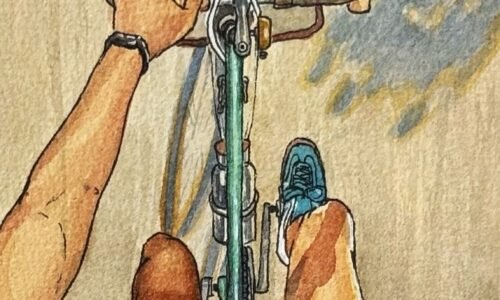
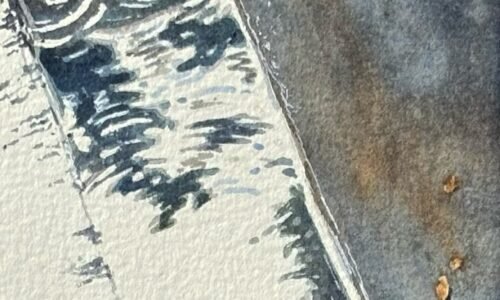
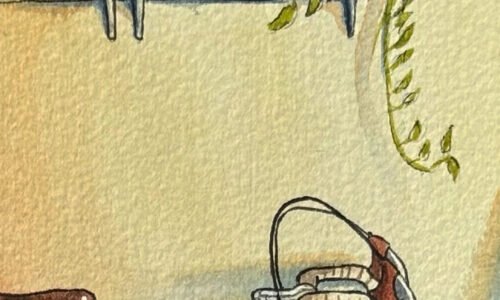
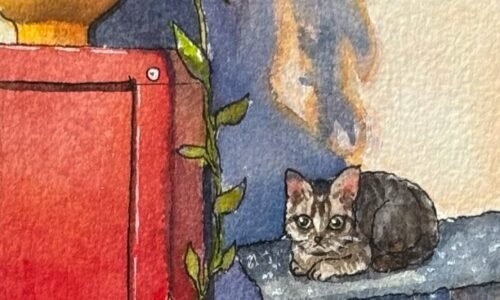
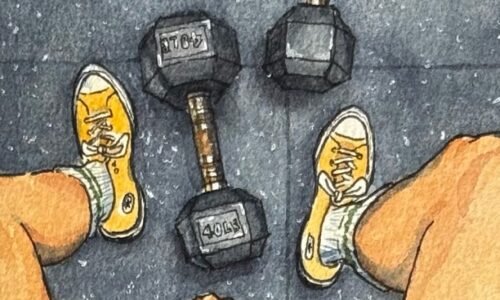
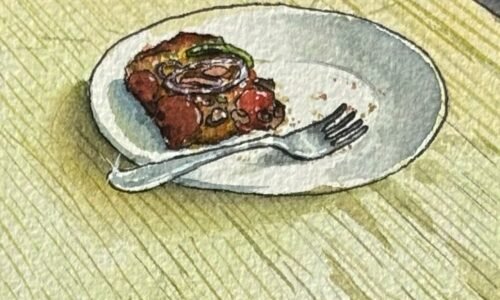
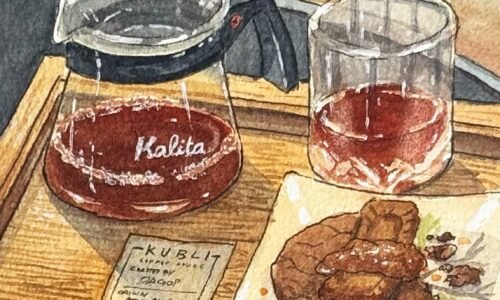
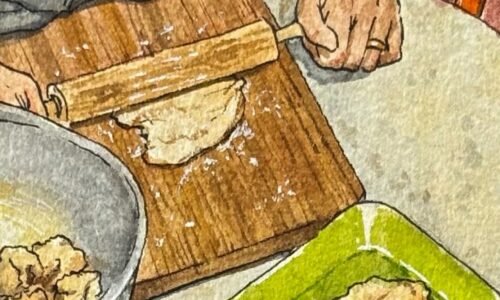
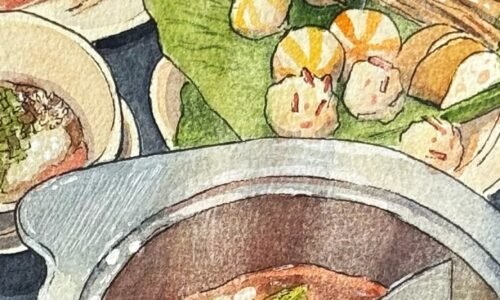
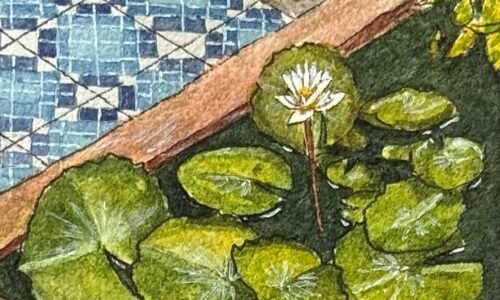
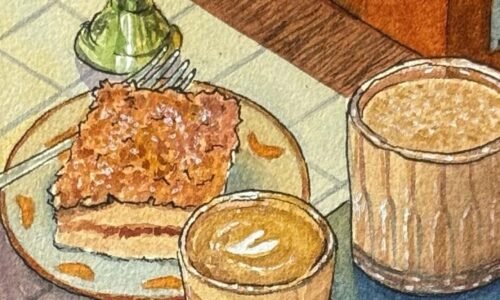
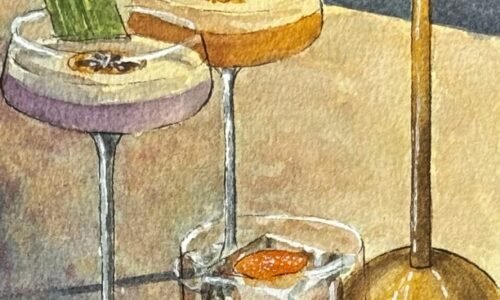
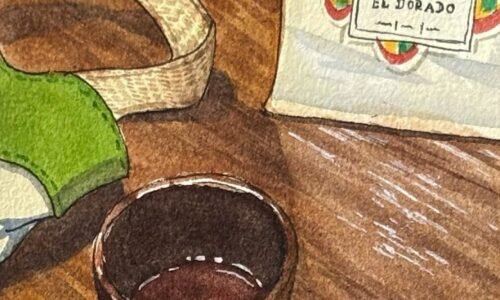
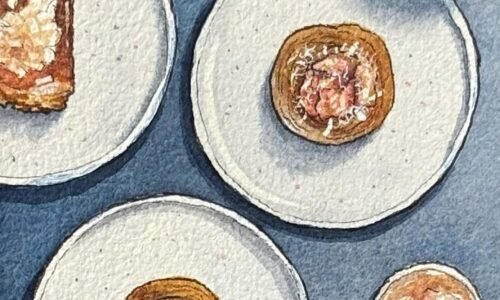
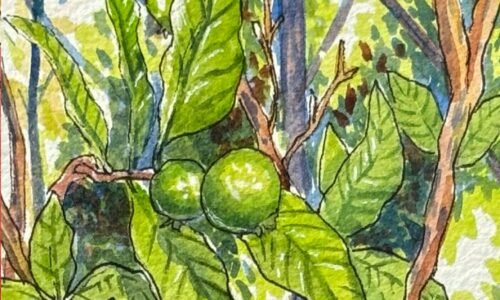
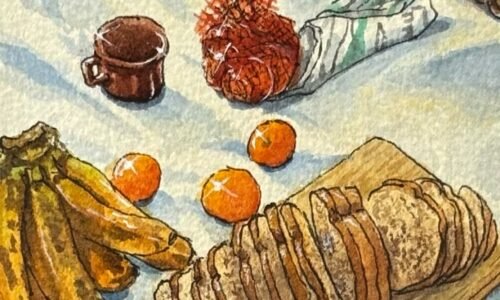
A plate of laminated pastries warming in the morning, sunlight sifting through leaves over a sprawl of discarded tennis balls, the gleam of sun bouncing over a puddle of lilies, all moments too brief to fully remember. These are what days are made of: vignettes of small moments that exist in the periphery of the grand and the spectacular, vanishing images that, much like a camera’s blinking shutter, can retract almost as soon as light catches.
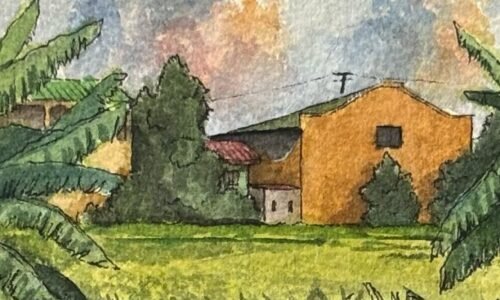
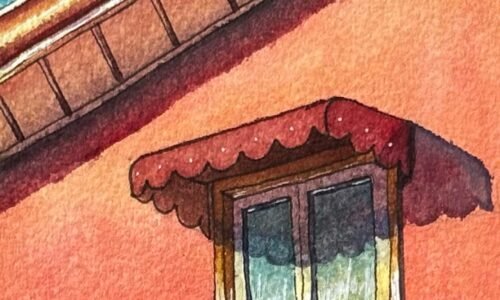
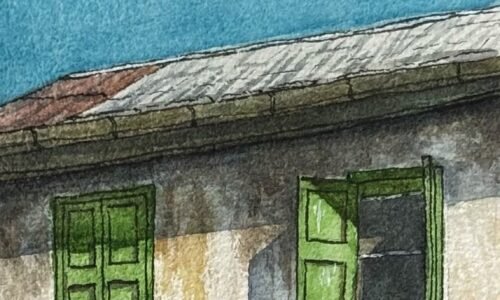
In The Poetics of Space, Gaston Bachelard observed, “The smallest objects, the simplest gestures, can be charged with profound memory,” in which he argues that intimate, lived spaces such as houses, attics, drawers, or even shells, profoundly influence our consciousness. For Bachelard, these spaces are not merely physical containers, but “felicitous spaces” that shelter, nurture, and give form to our interior lives. A window sits on a terracotta wall that Quilop bikes past on his usual routes. An unremarkable architectural detail. For years, this remained unnoticed. Its significance, at least to the artist, emerges only when he catches a glimpse of the window under a rare state: bright, warm light cascading over its edges, luminous under the sun’s caress.
This encounter (light disrobing the dredge of familiarity) became the version that endured. The painting does not document the window as an object, but as a moment. Thus, the work foregrounds perception as temporal and contingent, shaped by circumstance rather than purpose and essentialism. What is preserved is not the object’s prevailing form as seen every day under changing conditions, but what briefly happens to the object during a rare, fleeting encounter, and ultimately, how this encounter is remembered.
More than an exercise in memory, this then becomes an interrogation of lived experiences, how they shape sensibilities that enable the artist to privilege one memory over another (if a choice is to be had at all). Why the mundane over the grand? Why the mundane at its most radiant?
Perhaps the answer lies in the humanness of memory, and thus, in its propensity to falter, a tenuousness exacerbated by our contemporary digital habits in an age when moments, both grand and mundane, are captured, posted, and doomed to vanish within twenty‑four hours (as is the ephemeral quality of the passing light Quilop records in his body of work).
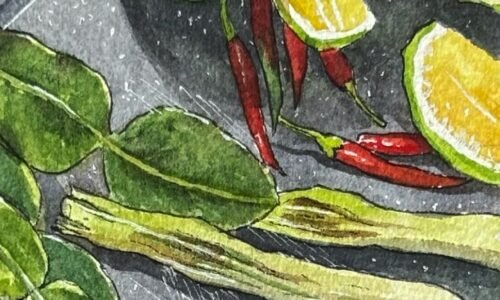
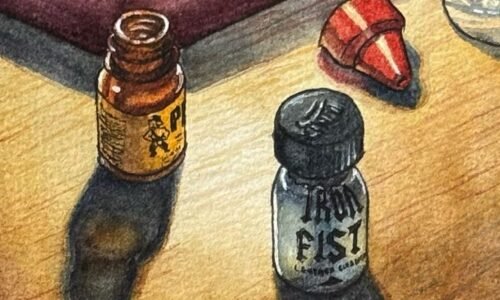
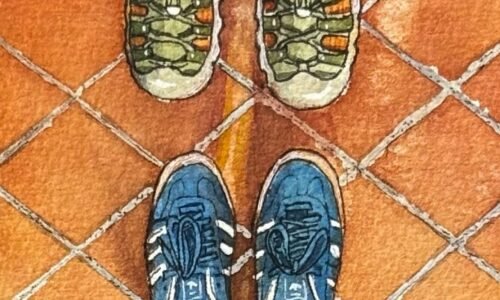
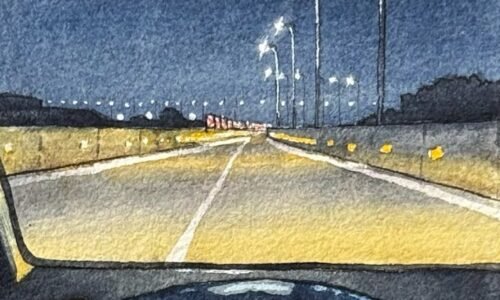
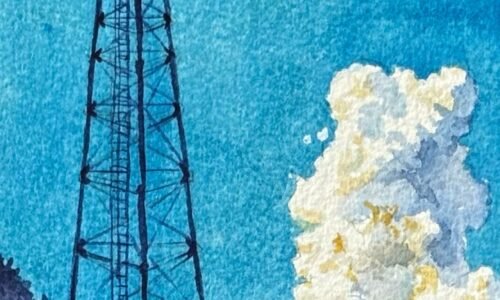
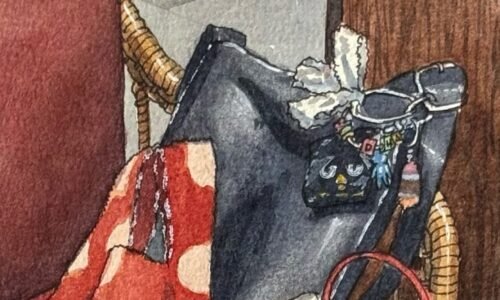
What Are Our Days Made Of? insists upon a slower, more meditative appreciation of ordinary life: slow, watercolor paintings that invite viewers to linger, to simmer, to dwell. By engaging with these quiet, often overlooked vignettes against the culture of instant consumption, the exhibition asks us to reconsider the stakes of attention: what is lost when experiences are instantaneous and almost as quickly forgotten, and what might be regained when we pause long enough to catch the light?
Alfonso Manalastas