Search for anything
Quiet Collisions: Geometries of a Fractured Calm
Start
04 July 2026End
07 September 2026Artist
Markus Jentes
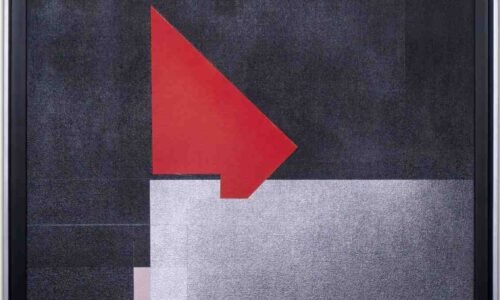
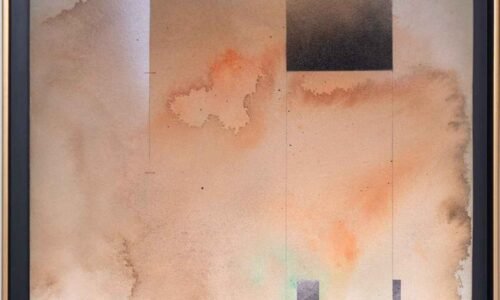
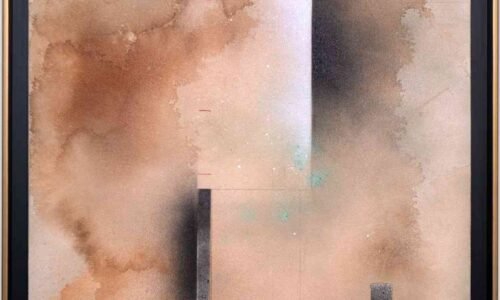
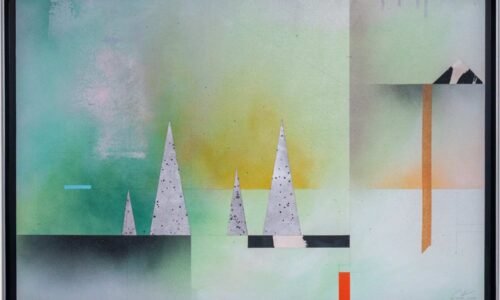
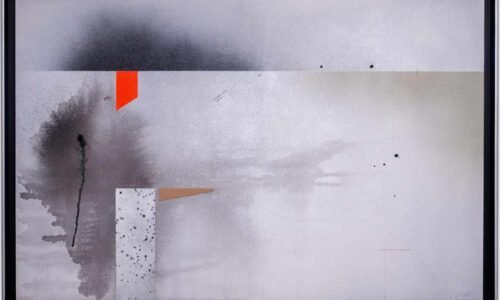
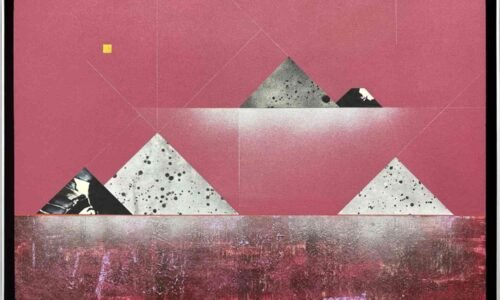
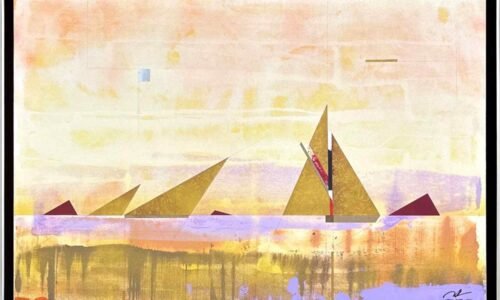
Quiet Collisions: Geometries of a Fractured Calm traces Peter Markus Jentes’ evolution from hard-edged precision to a more
introspective, emotionally charged abstraction. Grounded in a disciplined background in geometry, design, and advertising, this
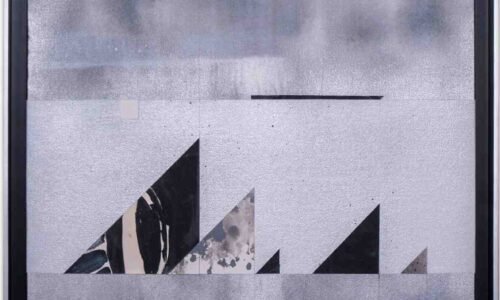
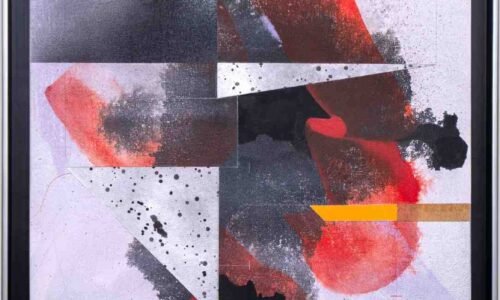
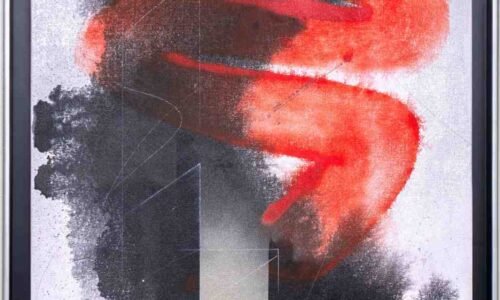
body of work marks a decisive turn toward vulnerability: layered surfaces where clean lines, flat planes, and measured grids
coexist with stains, drips, erasures, and unexpected materials—acrylic, paper, spray paint, coffee, pencil, ink, and more. The
“quiet collisions” of the title are not violent outbursts but measured impacts: moments where rational structure meets raw feeling,
where a carefully planned process is disrupted by the unruly force of lived experience. In dialogue with influences such as Mark
Rothko, Fernando Zóbel, Frank Stella, and Arturo Luz, Jentes employs subtle geometry and layered color to build spaces that at
first appear minimal, yet gradually reveal emotional and material complexity.
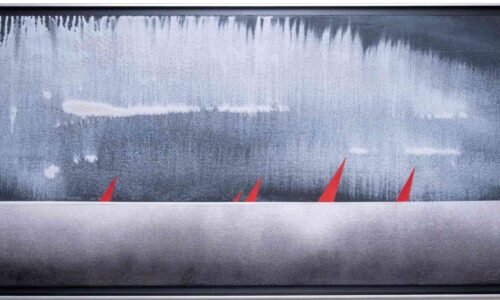
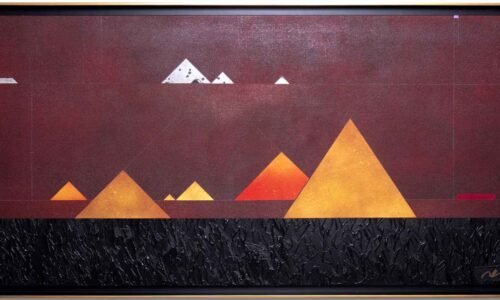
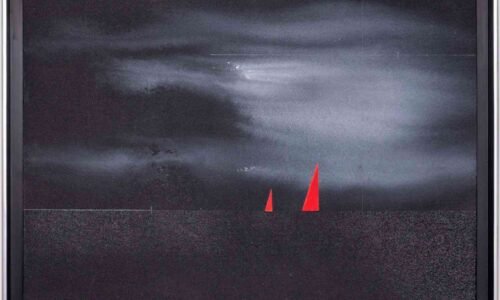
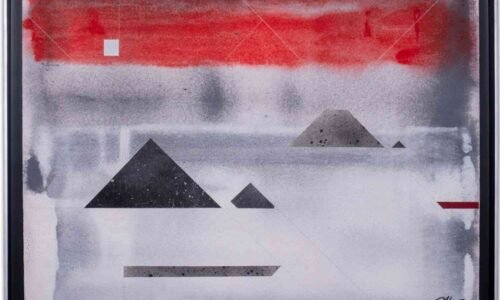
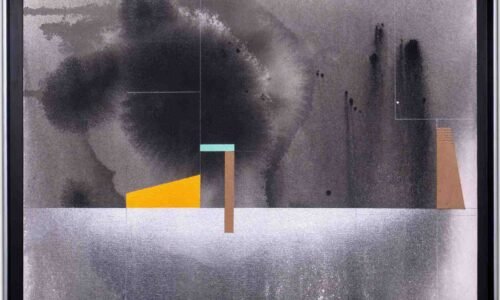
At the center of this exhibition is the horizon line—a recurring motif that becomes a metaphor for duality, choice, and
transformation. Sometimes crisp, sometimes blurred, sometimes multiplied, the horizon acts as both boundary and bridge:
separating calm from turmoil, order from chaos, rawness from minimalism, while allowing them to bleed into one another. Within
these shifting bands and planes, hints of landscape, dystopia, and “organized chaos” surface and recede, suggesting worlds that
are at once natural and constructed, serene yet perpetually on the verge of rupture. The horizon here is not only a distant line but
a psychological threshold: a place where opposing forces negotiate, overlap, and occasionally reconcile.
The works in Quiet Collisions emerge from an intensely personal period beginning in 2024, when significant family and life events
introduced new layers of tension and urgency into Jentes’ practice. Early pieces from this arc are raw, darker, and more overtly
emotional—evidence of an artist testing how far structure can be pushed before it breaks. As the journey continues, the
compositions grow calmer and more distilled, yet the underlying intensity remains, redirected into measured gestures, restrained
palettes, and quietly charged surfaces. This progression mirrors a shift in the artist himself: from rupture to reflection, from survival
mode to a more focused, balanced state of being. The canvases become records of this passage—sites where fracture is
acknowledged rather than erased, and calm is understood as something hard-won, not given.
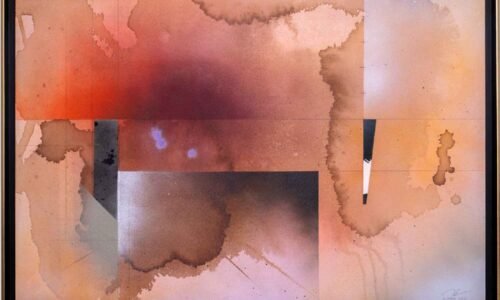
Material experimentation plays a crucial role in this process. Drawing on the methodical planning of his advertising background,
Jentes approaches mixed media with both curiosity and control, carefully considering how each material behaves visually and
chemically. Acrylic, paper, spray paint, coffee, ink, pencil, and other elements are layered to create depth, texture, and a sense of
time embedded in the surface. Future directions—such as the potential use of epoxy resin and metal—are hinted at in the work’s
reflective, tactile ambitions: surfaces that invite not just viewing but a felt, almost architectural encounter. Each piece becomes a
constructed environment where hard edges meet fluid marks, where nature’s refusal of straight lines collides with our human
impulse to measure, divide, and contain.
Situated within the evolving abstract art scene in the Philippines, Quiet Collisions: Geometries of a Fractured Calm extends
Jentes’ ongoing exploration of the space between expressionism and geometry, between landscape and abstraction. His
canvases resonate with local and global dialogues around abstraction’s ability to hold both personal narrative and broader, shared
experience. For viewers, these works offer an invitation rather than an answer: to slow down, to read the surfaces as timelines of
decision and revision, and to locate their own tensions—between control and surrender, clarity and ambiguity—within the layered
fields before them. At this horizon, fracture and calm are not opposites, but partners in a continually shifting, quietly colliding
balance.