Search for anything
Body Language
Start
11 July 2026End
08 August 2026Artists
Bryan Teves, Dan Macapugay, Eugenia Alcaide, Jomari Caya, Julius Redillas, Kiko Escora, Kim Jerome Santiago, Madonna Mortera, Marvin Quizon, Raine Sarmiento, Tokwa Peñaflorida, Vincent Diñoso
For centuries, artists have returned to the human figure as one of art’s most enduring
subjects—not merely to depict the body, but to reveal the invisible currents that move
through it. From the idealized marble athletes of ancient Greece to the sacred
tenderness of Renaissance Madonnas, from the contorted anguish of Egon Schiele to
the psychological intimacy of Francis Bacon, the figure has served as a vessel for
emotion, memory, desire, power, vulnerability, and transcendence. The body has always
been more than anatomy; it is a site where private feeling and collective experience
meet.
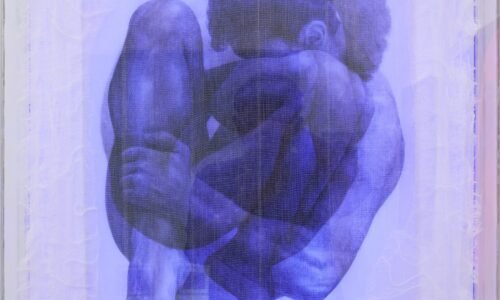
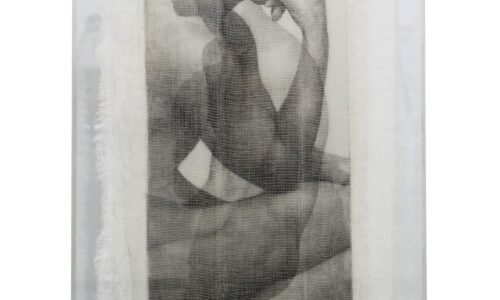
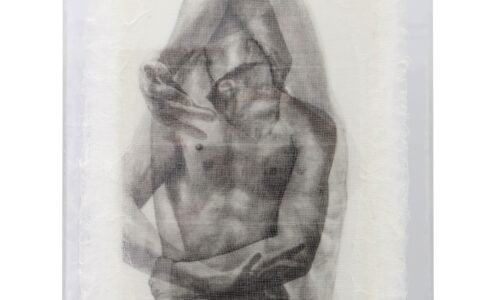
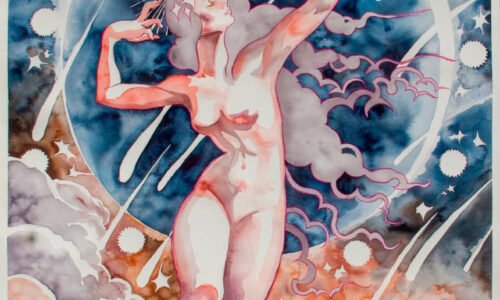
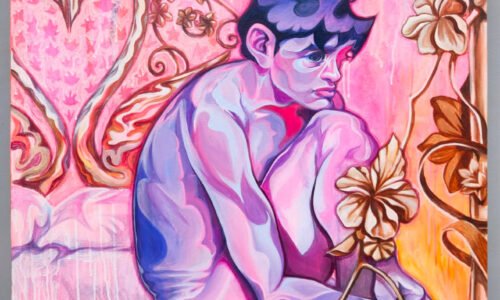
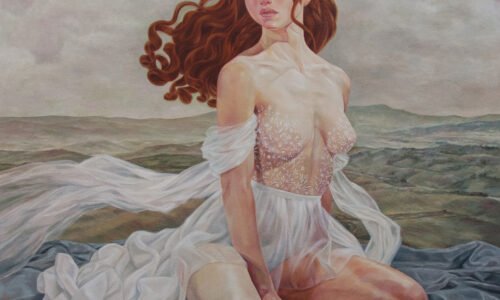
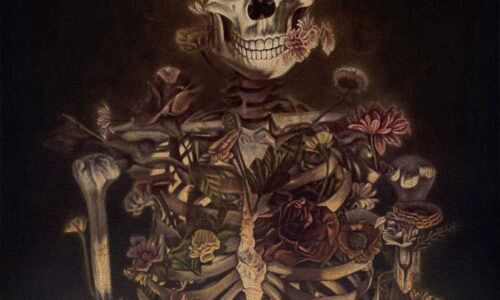
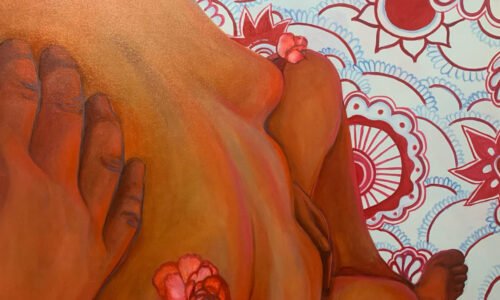
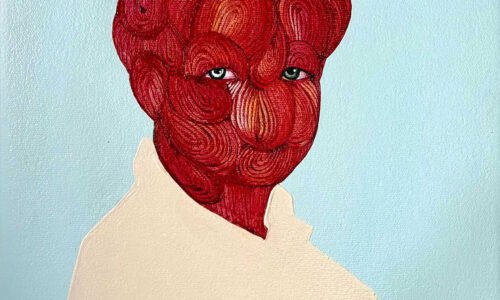
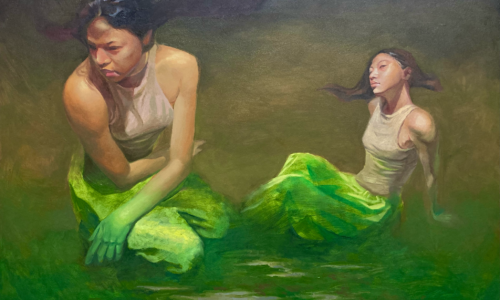
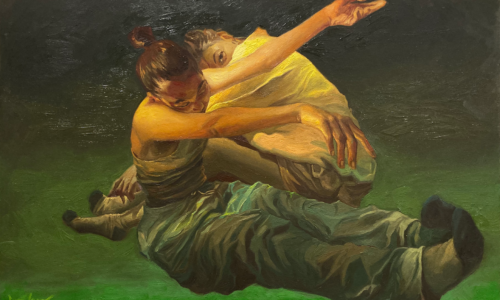
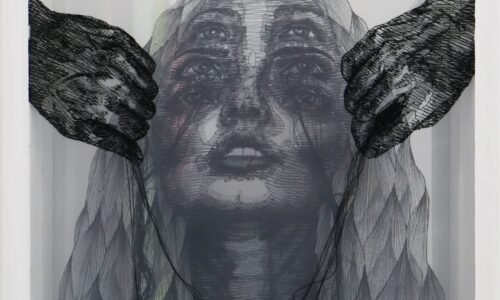
This exhibition seeks to examine the profound expressive power of the human form.
Even the slightest inflection of posture can carry a story. A shoulder turned away may
suggest distance or regret; two figures leaning toward one another may evoke trust,
companionship, or a lifetime of shared history. A crouched body can speak of grief,
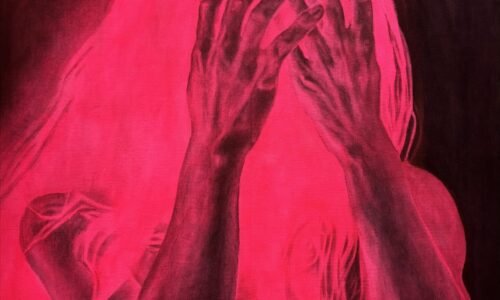
exhaustion, or self-protection. Hands that meet may hold longing, tenderness, comfort,
or farewell. In the tension of muscles, the tilt of a head, the extension or contraction of a
limb, the body becomes a language older than words—a language that speaks in
gestures, silences, and traces of feeling.
Throughout art history, painters and sculptors have understood that the figure is
capable of communicating what language often cannot. The body remembers. It reveals
hesitation before confession, resilience after suffering, intimacy before touch, and
solitude within a crowd. Whether rendered with classical precision, expressive distortion,
or contemporary fragmentation, the human form remains one of the most direct
pathways into the psyche.
Artists are invited to explore how the figure can convey narrative, emotion, and
psychological depth, whether standing alone or in relation to others. Works may
investigate themes of connection and isolation, desire and restraint, care and conflict,
identity and transformation. The exhibition welcomes interpretations that are intimate or
monumental, quiet or confrontational, literal or symbolic, but all united by a shared
inquiry: how does the body speak, and what truths emerge when we learn to listen?
In bringing these works together, the exhibition proposes that every gesture is a form of
testimony. The human figure is not merely seen—it is read, felt, and remembered.
Between one body and another unfolds an entire world of unspoken narratives, where
emotion takes shape in flesh, movement, and presence.